A straighter smile can change more than just the way your teeth look. Properly aligned teeth can make everyday activities such as eating, brushing, and speaking more comfortable, while also supporting long-term oral health. Still, the idea of getting braces can bring plenty of questions: Will they hurt? How long will treatment take? What can you eat? And what happens once the braces are removed?
This braces guide takes you through the entire orthodontic treatment journey—from the first appointment to life with retainers—so you know what to expect at every stage.
Starting Your Orthodontic Journey
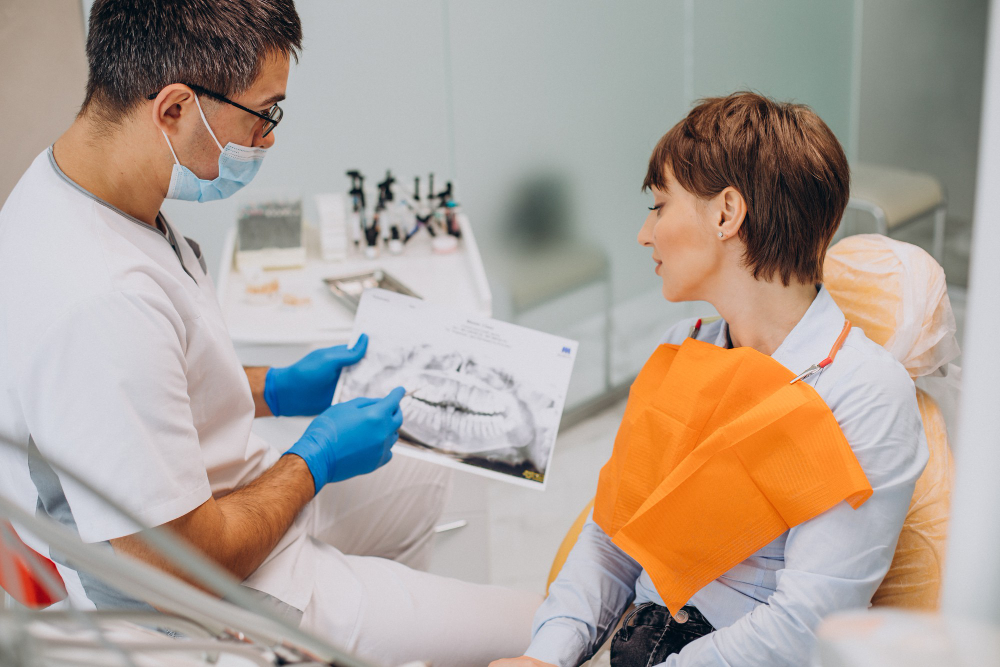
The first step toward a straighter smile is an orthodontic evaluation. During your consultation, your orthodontist will examine your teeth, bite, and jaw alignment. Digital scans, photographs, or X-rays may also be used to get a clearer picture of your dental structure.
This appointment is more than simply deciding whether you need braces. It gives your orthodontist an opportunity to understand your specific needs and develop an individualized treatment strategy.
You may also discuss different treatment options, expected results, treatment duration, and what you can do to keep your teeth healthy throughout the process.
Getting Used to Your New Braces
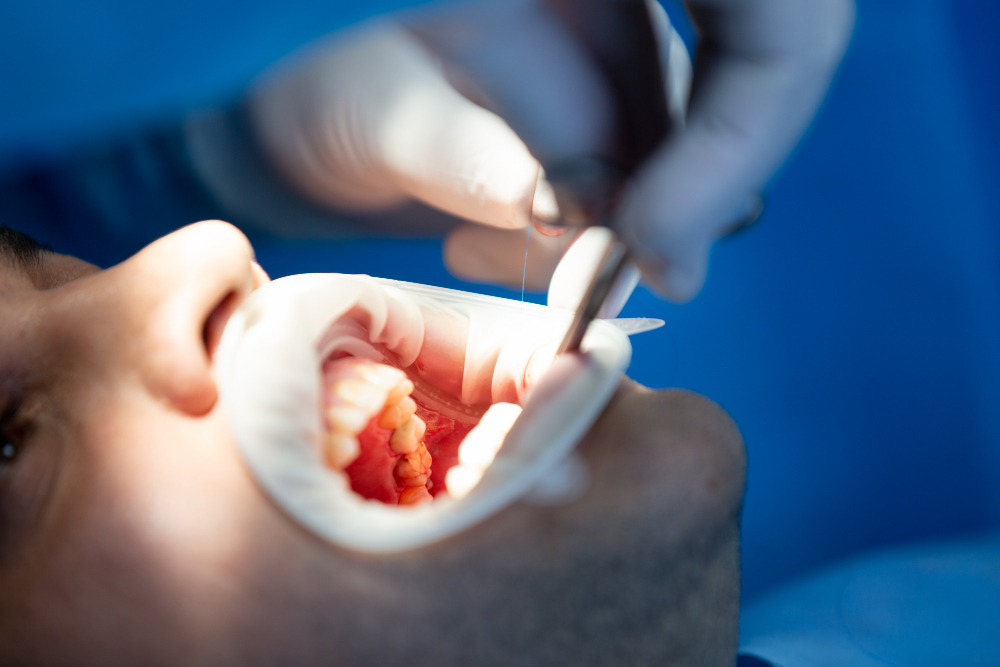
The day your braces are placed can feel exciting—and a little strange. Brackets are carefully attached to your teeth, and an orthodontic wire connects them to create gentle pressure.
You may notice that your teeth feel sensitive during the first few days. Your lips, cheeks, or tongue may also need some time to get used to the brackets.
The good news is that this adjustment period is temporary. As you become familiar with your braces, eating, speaking, and cleaning your teeth generally become much easier.
The Everyday Reality of Braces
Orthodontic treatment is not just about visiting your orthodontist every few weeks. What you do at home can have a major impact on your experience.
One of the biggest changes is your daily oral hygiene routine. Brackets and wires create additional spaces where food particles and plaque can collect, making thorough cleaning especially important.
Building a Good Braces Care Routine
Effective braces care should include careful brushing at least twice a day and regular flossing. Depending on your orthodontist's recommendations, interdental brushes or specialized flossing tools can make cleaning around brackets and wires easier.
It is also worth paying attention to your eating habits. Extremely hard or sticky foods can damage orthodontic appliances, potentially resulting in broken brackets or wires.
Taking a few extra minutes to clean your teeth and being careful with your food choices can make your orthodontic journey much smoother.
Do Braces Hurt?
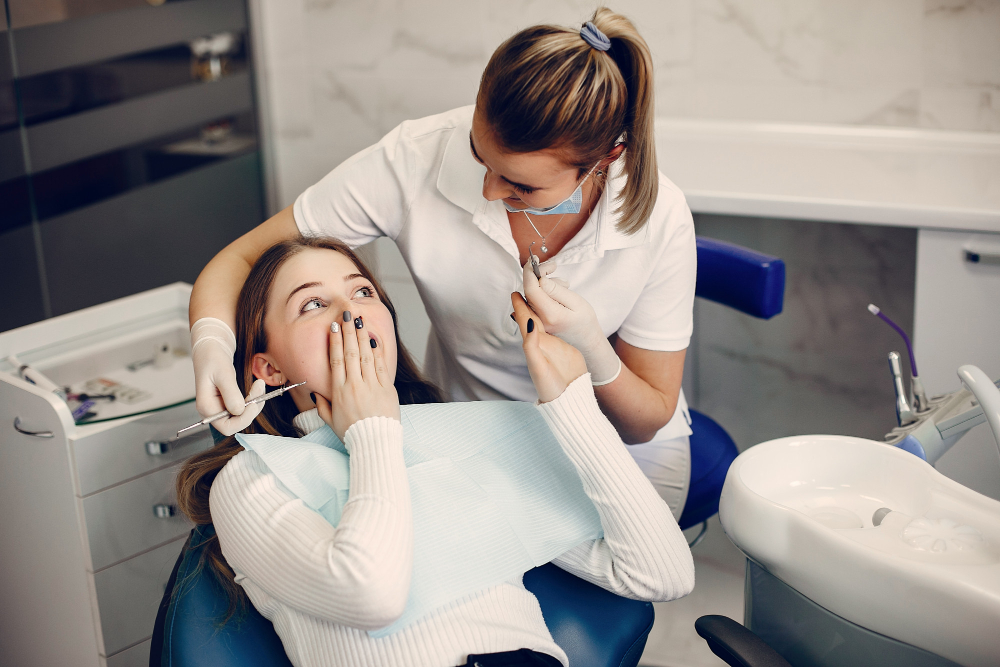
One of the most common concerns about braces is discomfort. While everyone's experience is different, it is normal to experience some pressure or tenderness after braces are first placed and following certain adjustments.
This sensation usually improves as your mouth gets used to the treatment. If a wire or bracket causes significant irritation or discomfort, contact your orthodontic office rather than trying to fix the appliance yourself.
Your Regular Orthodontic Appointments
Braces work gradually, so you will need periodic appointments throughout your treatment. These visits allow your orthodontist to evaluate how your teeth are moving and make adjustments when necessary.
Depending on your treatment plan, your orthodontist may change the wires, replace certain components, or make other modifications to continue guiding your teeth toward their planned positions.
These appointments are an important part of keeping your treatment on track, so attending them as scheduled is essential.
How Long Does Teeth Straightening Take?
There is no universal timeline for orthodontic treatment. Some patients may see significant progress within a relatively short period, while others require a longer treatment plan.
The duration can depend on factors such as:
- The amount of tooth movement required
- The complexity of your bite
- Your individual response to treatment
- The type of orthodontic appliance being used
- How closely you follow your orthodontist's recommendations
Instead of focusing only on the calendar, think of treatment as a gradual process. Each appointment brings your teeth one step closer to their planned positions.
Protecting Your Braces
Your braces are designed to withstand normal daily activities, but they are not indestructible. Certain habits can put unnecessary stress on brackets and wires.
Avoid chewing on pens, pencils, fingernails, or other hard objects. Be cautious with foods that are particularly hard, chewy, or sticky.
If a bracket comes loose or a wire breaks, don't panic. Contact your orthodontist and explain what happened. They can tell you whether you need an appointment and what to do until then.
The Big Day: Getting Your Braces Removed
After months—or sometimes years—of orthodontic treatment, the day finally arrives when your braces come off.
The removal process is generally much quicker than putting braces on. Your orthodontist will carefully remove the brackets and clean away any remaining adhesive. You will then be able to see your newly aligned smile.
But there is still one important step left.
Why Retainers Matter After Braces
Once your braces are removed, your teeth need time and support to settle into their new positions. This is where retainers come in.
Retainers are designed to help maintain the results achieved during orthodontic treatment. Depending on your individual case, you may receive a removable retainer, a fixed retainer, or a combination of both.
Your orthodontist will explain when and how frequently you should wear your retainer.
Skipping retainer wear can allow teeth to shift over time, which may affect the results of your teeth straightening treatment. For that reason, retainers should be considered part of the treatment—not an optional extra.
Life After Orthodontic Treatment
Finishing orthodontic treatment does not mean you can completely forget about your teeth. Maintaining good oral hygiene, attending regular dental checkups, and following your retainer instructions are key to protecting your new smile.
It is also important to remember that teeth can naturally change throughout life. Consistent retainer use can help minimize unwanted movement and preserve the alignment achieved through treatment.
Making the Most of Your Braces Experience
Braces require a little patience, but preparation can make the process considerably easier. Keep your orthodontic appointments, follow your care instructions, protect your appliances, and maintain a strong oral hygiene routine.
Most importantly, don't hesitate to ask questions. Your orthodontic team is there to guide you throughout the process, whether you are wondering about food, discomfort, cleaning, or your treatment progress.
A Straighter Smile Is a Journey
Orthodontic treatment is not an overnight transformation. It is a gradual process in which small changes add up over time.
From the first consultation and the initial adjustment period to daily braces care and life with retainers, every stage has a purpose. Understanding the process can help you feel more comfortable and prepared for what lies ahead.
If you are thinking about braces, schedule an evaluation with a qualified orthodontist. They can assess your smile, explain your options, and help you understand what your own journey toward a straighter smile may look like.