Healthy teeth are an important part of a child’s overall well-being. From learning how to speak clearly to enjoying their favorite foods, strong teeth support many daily activities. Teaching children how to care for their teeth at an early age helps prevent dental problems and builds habits that can last a lifetime.
The Early Years Matter More Than You Think
Dental care should begin long before permanent teeth appear. Even babies benefit from gentle oral cleaning, as bacteria can build up on the gums. Once the first tooth emerges, brushing should become part of the daily routine. Early attention to oral hygiene helps children see dental care as a normal and positive habit rather than a chore.
Turning Brushing into a Daily Habit
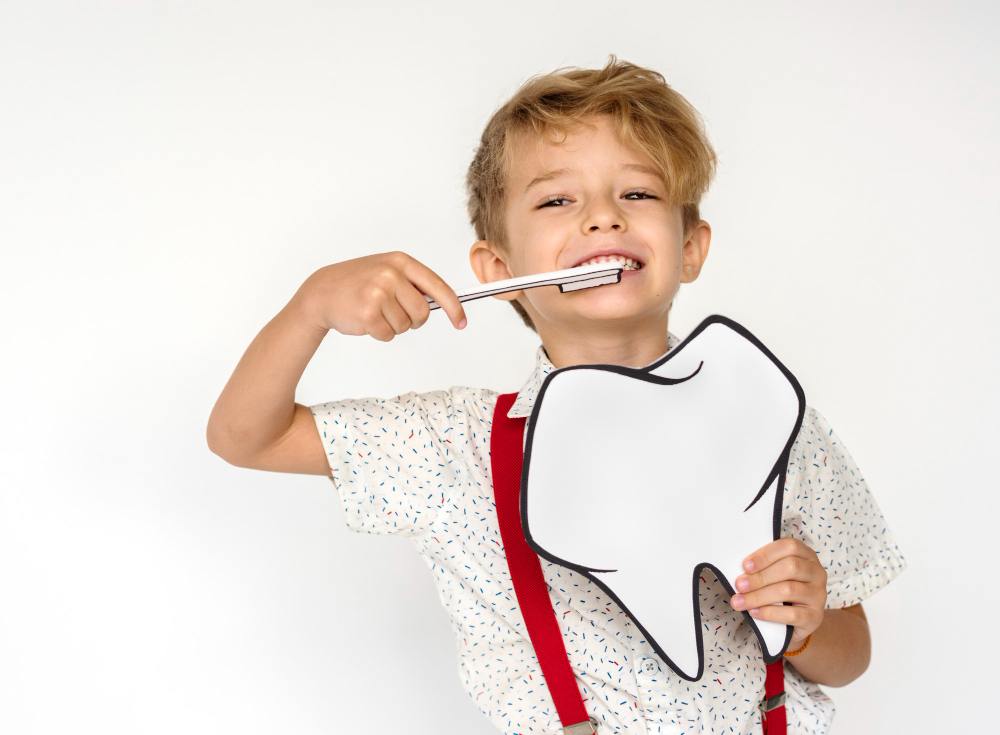
Children should brush their teeth twice a day using a soft toothbrush and fluoride toothpaste. Parents play a key role in guiding proper technique, especially for younger children who may rush or miss certain areas. Making brushing part of a consistent morning and bedtime routine helps children understand its importance.
As children grow older, introducing flossing helps clean the spaces between teeth where brushing alone cannot reach. With patience and practice, children can learn to take responsibility for their own oral care.
Nutrition and Dental Health Go Hand in Hand
What children eat has a direct impact on their teeth. Foods high in sugar and starch can increase the risk of cavities, especially when eaten frequently. Offering balanced meals and snacks supports both dental and overall health.
Crunchy fruits and vegetables, dairy products, and whole foods are excellent choices for growing teeth. Encouraging water as the main drink helps wash away food particles and keeps the mouth hydrated.
Regular Dental Visits Build Confidence
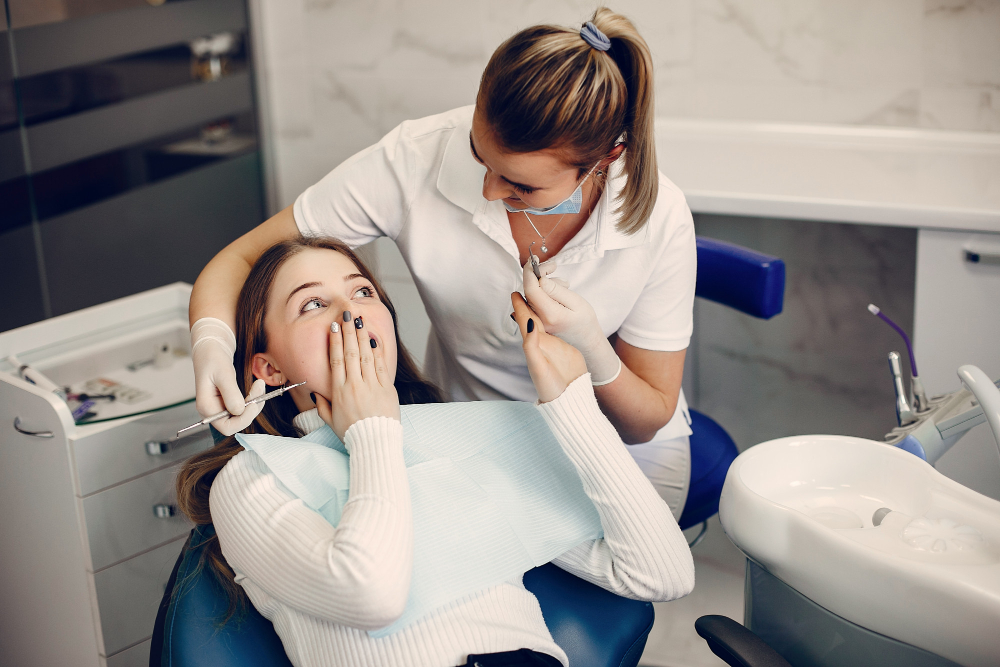
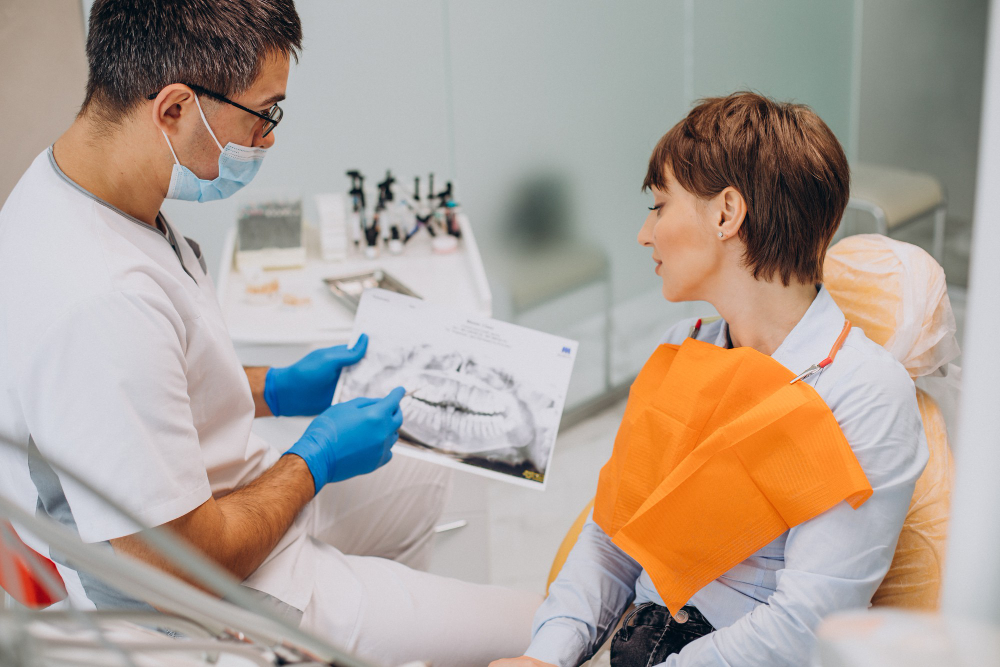
Routine dental checkups allow dentists to track a child’s dental development and address any issues early. These visits also help children become familiar with the dental office, reducing fear and anxiety over time. A calm, friendly approach to dental appointments can shape how children feel about oral care well into adulthood.
Keeping Teeth Safe During Activities
Children love to play, run, and explore, but accidents can happen. Wearing protective gear such as mouthguards during sports can prevent tooth injuries. Teaching children to care for their teeth includes helping them understand how to protect them during active play.
Leading by Example at Home
Children often copy what they see. When parents practice good oral hygiene and speak positively about dental care, children are more likely to follow suit. Brushing together and celebrating healthy habits can make dental care feel like a shared family activity.
Creating a Positive Dental Experience
Dental care does not have to be boring or stressful. Using fun toothbrushes, setting timers, or praising effort rather than perfection can motivate children to stay consistent. A positive attitude toward oral hygiene helps children feel confident and proud of taking care of their smiles.
Conclusion
Caring for a child’s teeth is an investment in their future health and confidence. By starting early, encouraging healthy habits, and creating positive experiences, parents can help their children grow up with strong teeth and bright, happy smiles.