When it comes to achieving a straight, confident smile, modern orthodontics offers more options than ever before. Two of the most popular treatments are traditional braces and Invisalign. While both are effective at correcting dental issues, they differ significantly in appearance, comfort, lifestyle impact, and maintenance. Understanding these differences can help you make the right choice for your needs.
What Are Traditional Braces?
Traditional braces consist of metal or ceramic brackets attached to the teeth and connected by wires. Over time, these wires are adjusted by an orthodontist to gradually move the teeth into proper alignment. Braces have been used for decades and are known for their reliability, especially in complex orthodontic cases.
Advantages of Braces:
- Effective for severe or complex alignment problems
- No need to remember to remove or wear them—they’re always working
- Often a more affordable option
Disadvantages of Braces:
- Highly visible, especially metal braces
- Can cause discomfort after adjustments
- Food restrictions (sticky, hard, or chewy foods must be avoided)
- More challenging oral hygiene
What Is Invisalign?
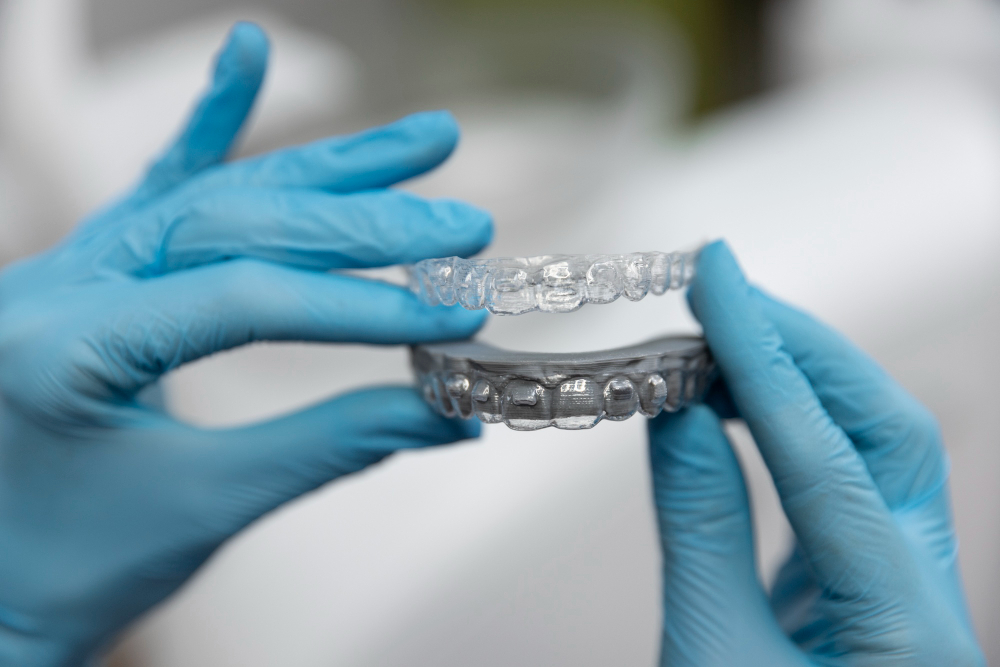
Invisalign uses a series of clear, removable aligners custom-made for your teeth. Each set of aligners is worn for about one to two weeks, gradually shifting the teeth into place. Invisalign has become especially popular among adults and teens who want a discreet treatment option.
Advantages of Invisalign:
- Nearly invisible appearance
- Removable for eating, brushing, and flossing
- Generally more comfortable than braces
- No food restrictions
Disadvantages of Invisalign:
- Requires discipline (aligners must be worn 20–22 hours per day)
- May not be suitable for very complex orthodontic cases
- Often more expensive than traditional braces
Comfort and Lifestyle Considerations
Invisalign aligners are smooth and custom-fitted, which often results in less irritation to the gums and cheeks compared to braces. Since they are removable, daily activities like eating and cleaning teeth are easier. Braces, on the other hand, may take some time to get used to and require more frequent adjustments.
Treatment Time and Results
Treatment duration for both Invisalign and braces can vary depending on the individual case. In many situations, Invisalign can offer similar timelines to braces, especially for mild to moderate alignment issues. However, braces may be more efficient for complex tooth movements.
Which Option Is Best for You?
Choosing between Invisalign and braces depends on several factors, including:
- The complexity of your dental issue
- Your lifestyle and daily habits
- Aesthetic preferences
- Budget
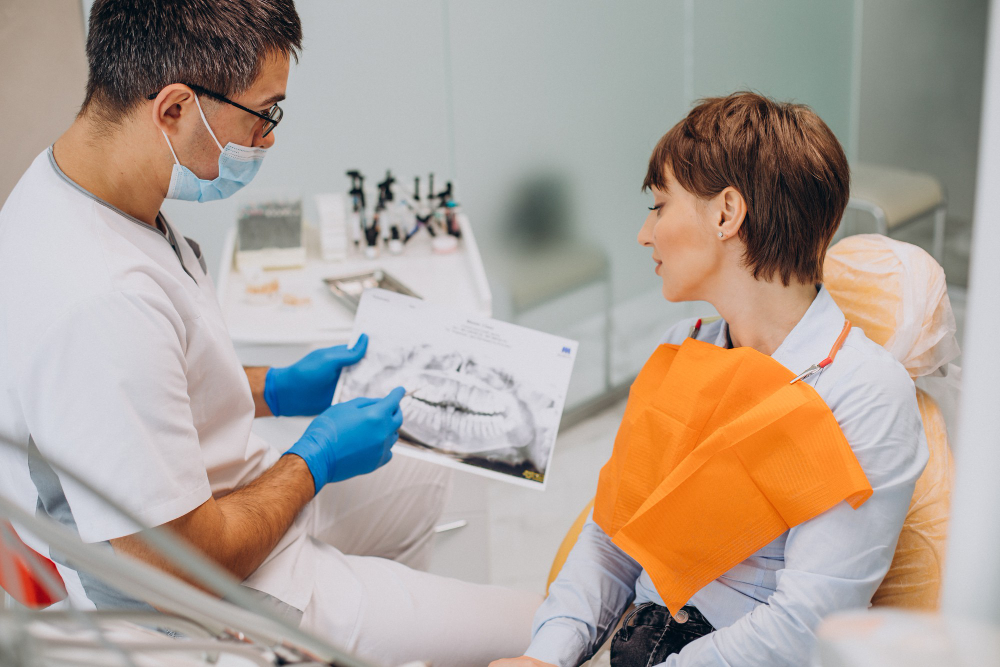
The best way to decide is to consult with an experienced orthodontist who can evaluate your smile and recommend the most effective treatment.